


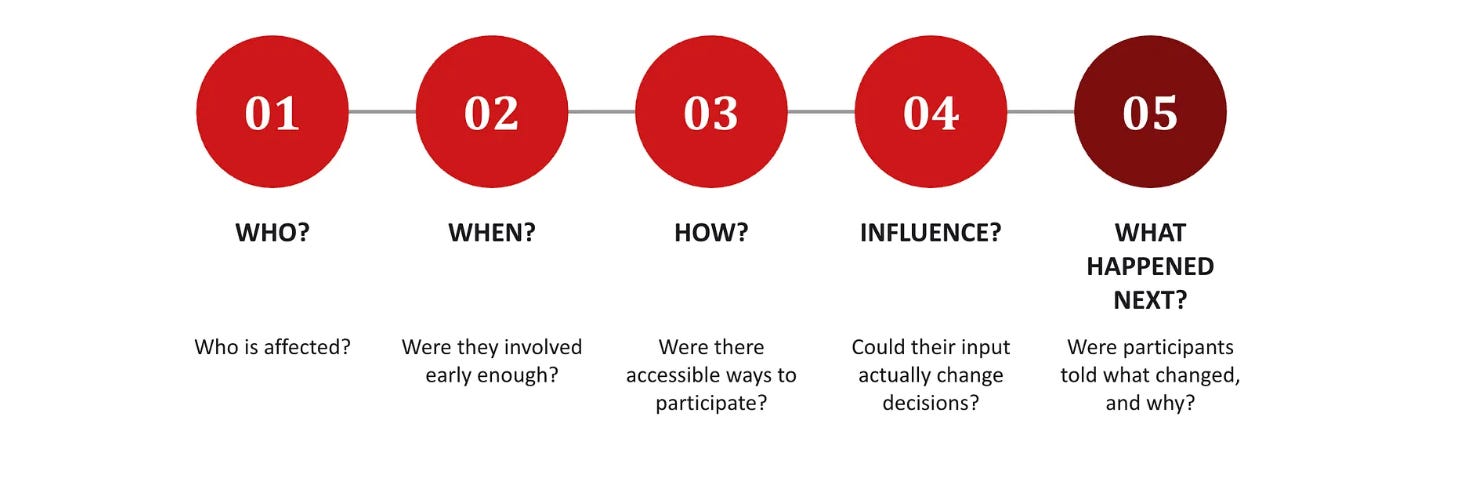
Last week’s fourth session in the global Dignity by Design course focused on the right to meaningful participation, in the context of how the built environment is planned, designed and maintained.
Lagos-based Stephanie Egharevba was the guest faculty. She spoke from her perspective as a person living with a disability and using a wheelchair; as an accessibility advisor to organizations; and as an advocate for more inclusive systems and policies.
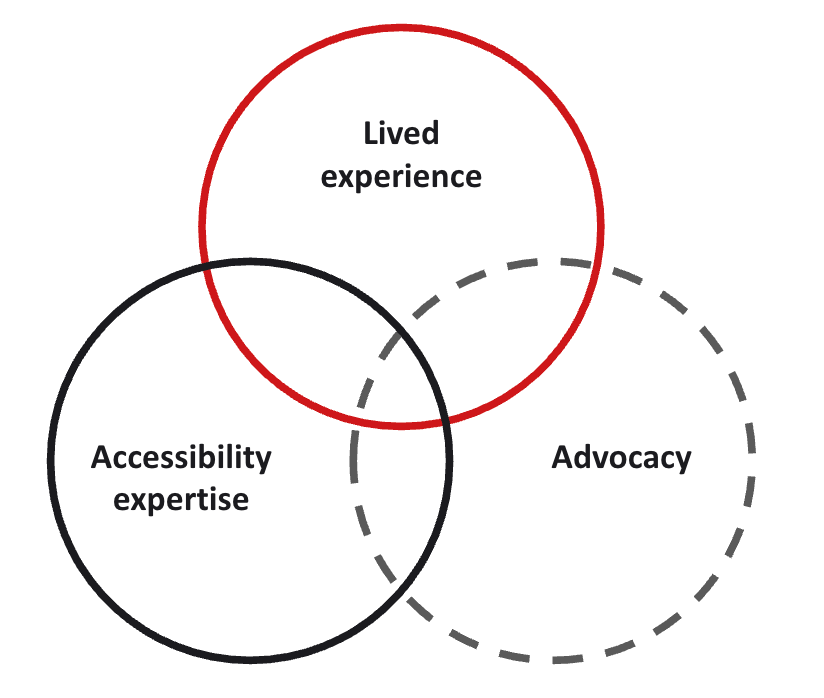
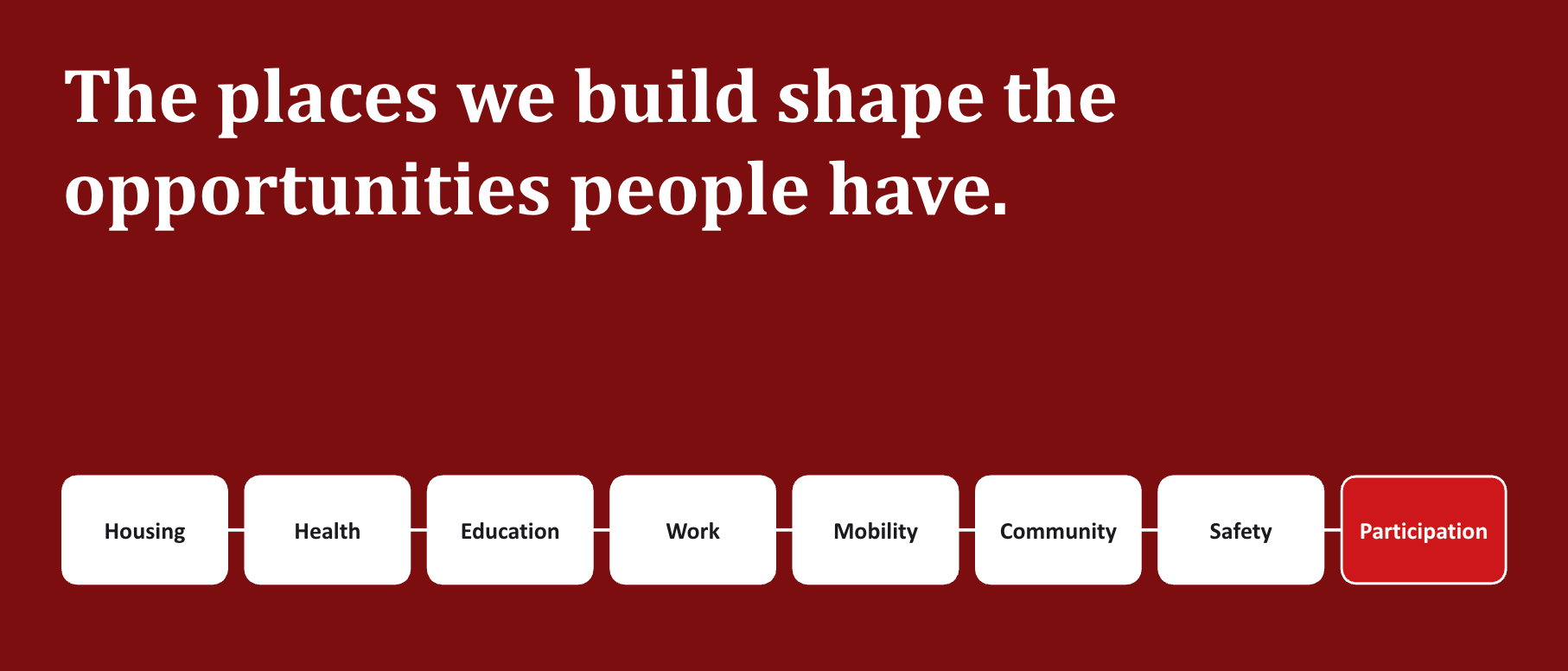
Stephanie lifted up the fact that there is no such thing as design for an “average” person. Users have different ages, abilities, mobility needs, incomes…no-one’s experience of a place is the same. And how the built environment is designed has ripple-effects across multiple dimensions of access.
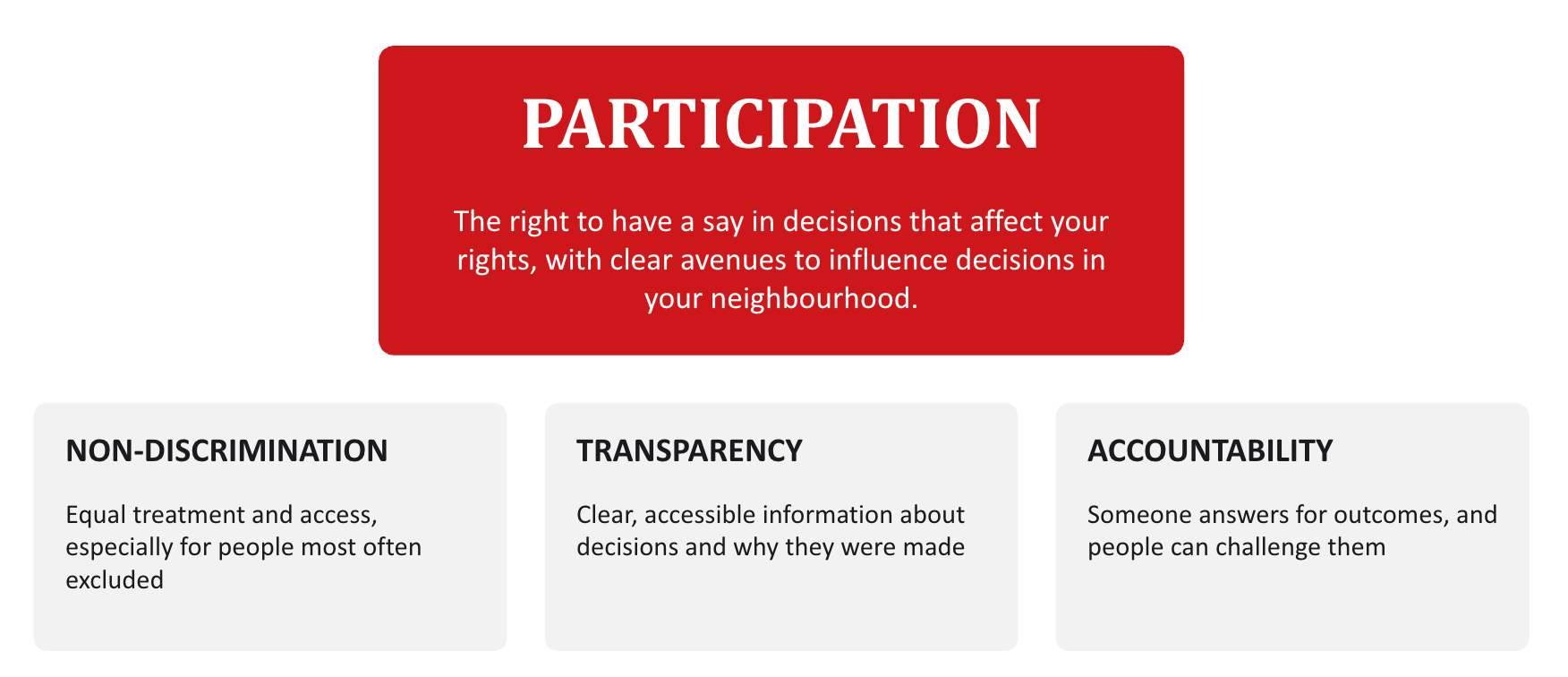
Stephanie honed in on meaningful participation as a cross-cutting right, along with non-discrimination, transparency, and accountability.
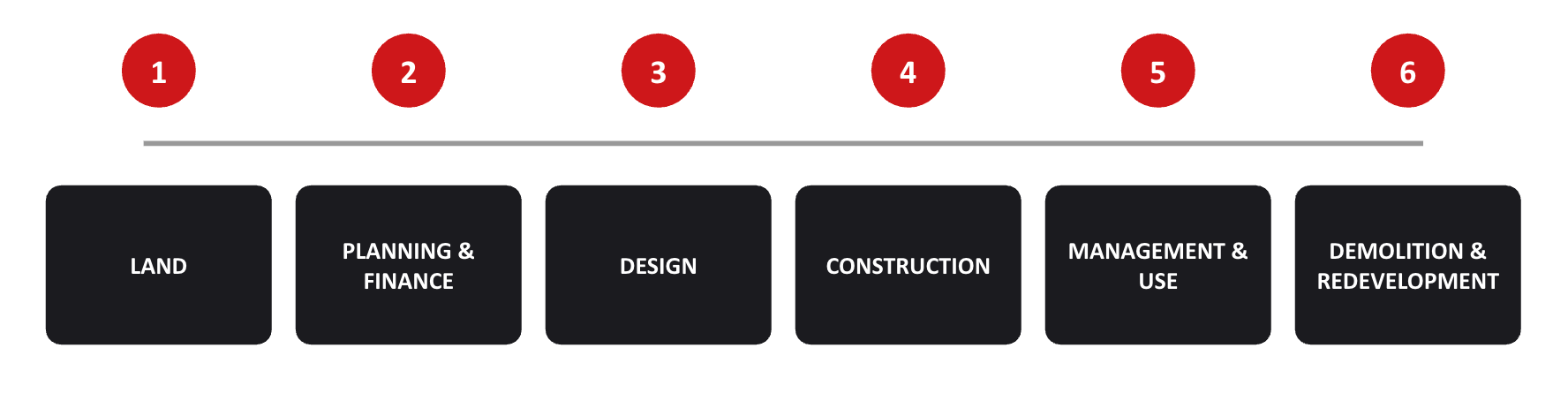
And on the fact that while action from the very earliest stages of the building lifecycle is key, so is continued action and adjustment while a place is in use.
In thinking of access and design, I’m always reminded of the Hunters Point library here in NYC. The winner of a design award, its structure is far fancier than the standard box-type libraries throughout the city.
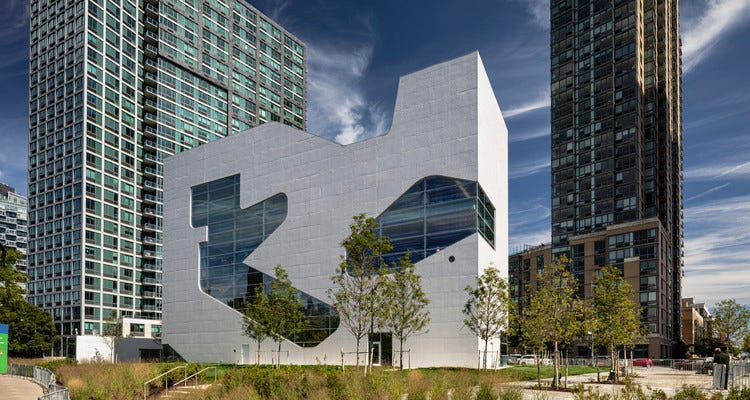
And yet somehow the architects overlooked the fact that it would be used by people on wheels - whether wheelchairs, or strollers. What followed were expensive renovations, a class-action lawsuit and reputational harm, before the library could re-open to the public. Fifteen percent of the World’s population lives with a form of disability. Yet mind-blowingly, taking this into account is not yet a routine part of doing business.
******
I co-direct the global certificate on social risk and opportunity in the built environment with Salil Tripathi. Check out insights from the first three sessions on: “Dignity by design”; “Leverage throughout the lifecycle”; and “It begins with land”. And keep posted for the next sessions!