


.jpg)
What gets built, where and how tends to tell a story of humanity. Of humanity’s past (think archaeological digs and iconic sites), its present (how we live, and who has access to what kinds of homes), and its future (literally, the future we’re building).
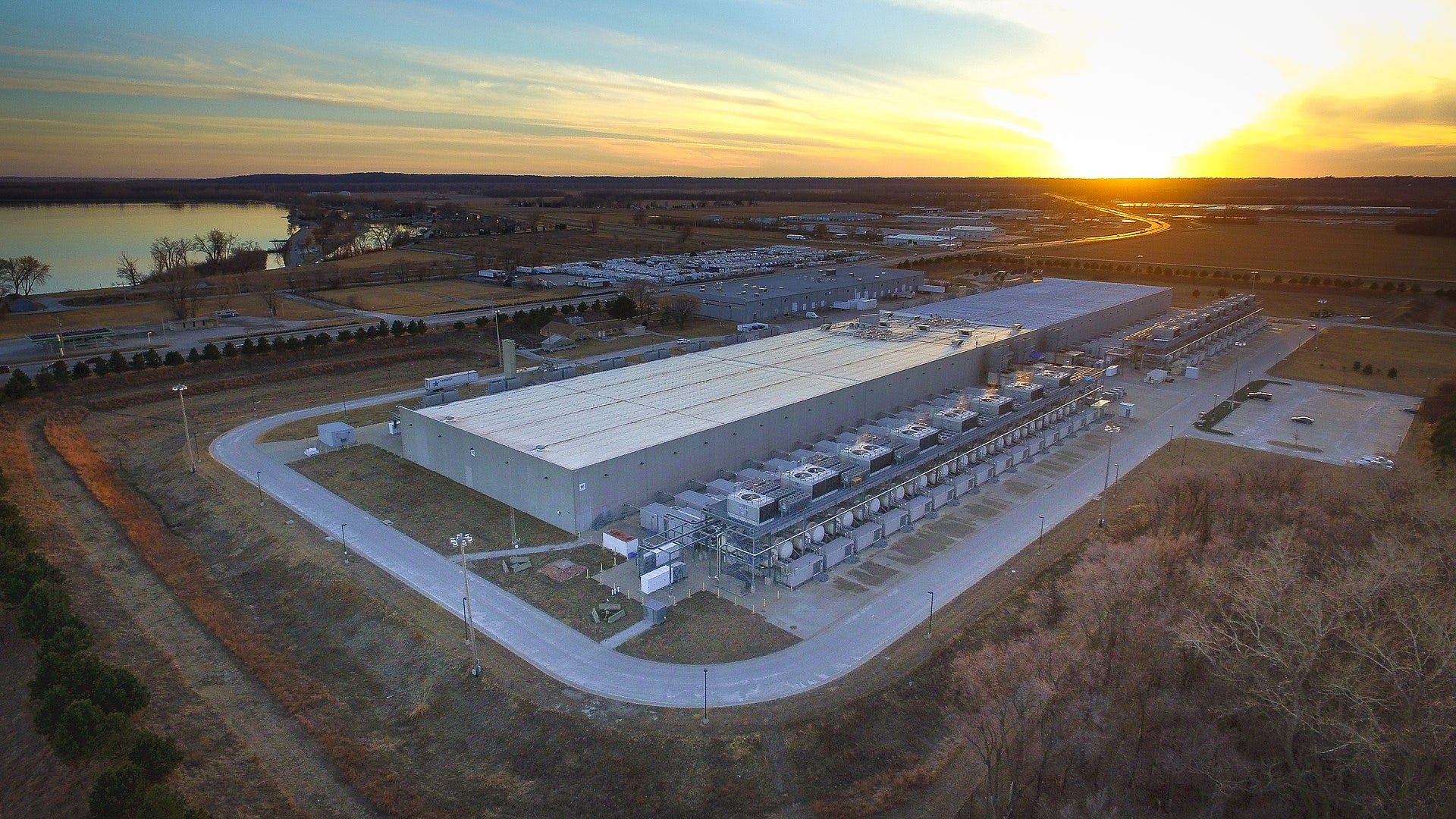
At the moment there’s growing attention on the construction of data centers around the World - the physical infrastructure to support digitization and artificial intelligence. This construction tells a story of how the physical world is being shaped to support the world of data, and also of finance flooding into assets in the expectation of returns that may well be, for all but a few, ephemeral.
Data centre construction is facing pushback on multiple fronts: locally, given competing demands for land, energy and water and the scale of the centers next to homes, and more widely, over perceived risks of accelerated inequality.
The financial services firm State Street has highlighted an additional risk that investors so far are overlooking, which is the climate risks to data center infrastructure itself.
State Street found that over half (54%) of current global data center capacity is operating under “chronic” (ongoing) heat and water stress, while 79% faces risks of acute (rapid onset) climate hazards like flooding, extreme winds and wildfires, which can lead to disrupted operations and elevated repair costs.
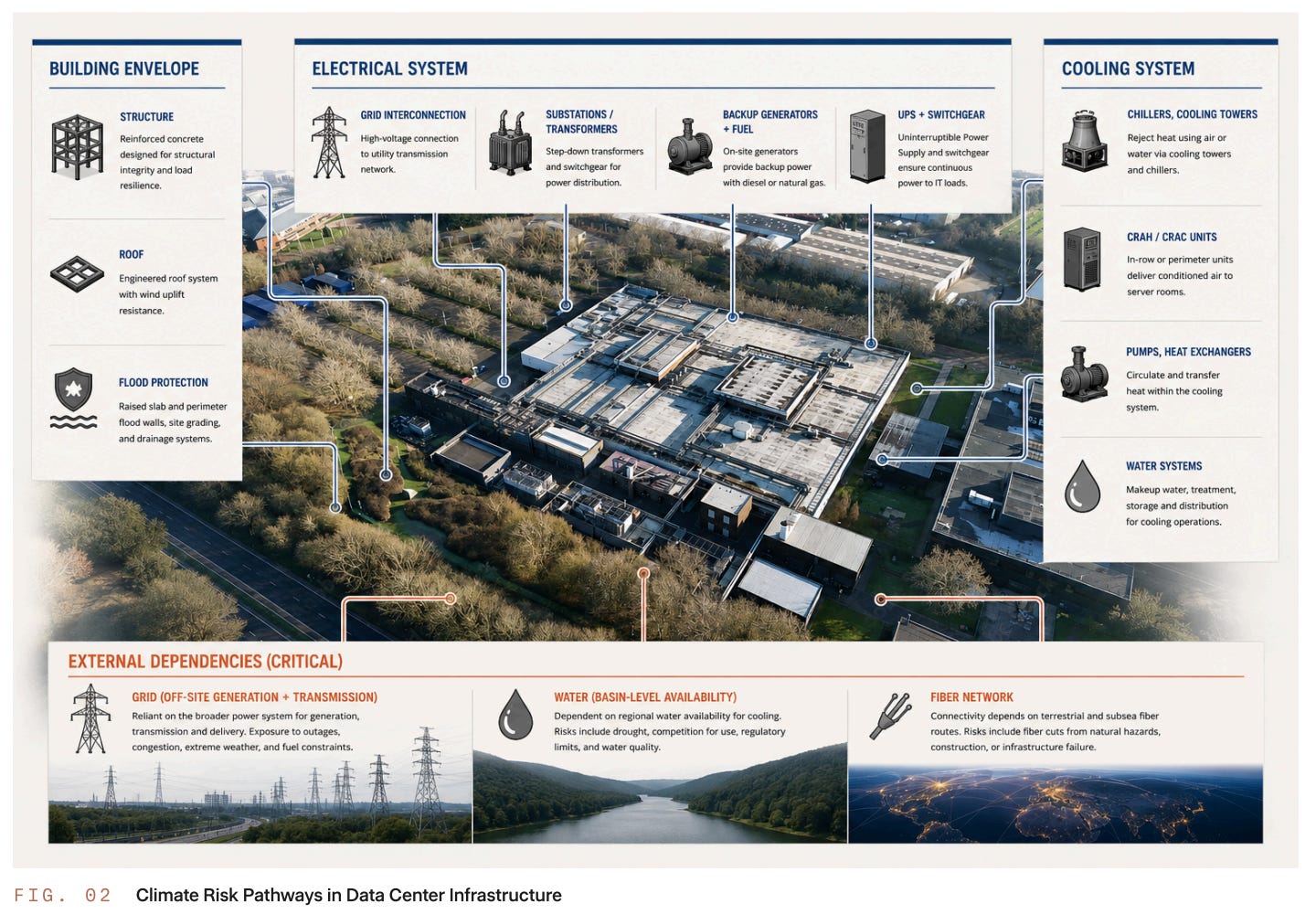
As the assessment puts it:
“Climate risk enters the data center through interconnected physical systems, each with distinct but interdependent failure modes. The building envelope, electrical infrastructure, and cooling systems operate as a coupled system, linked through shared dependencies on power, water, and external networks.”
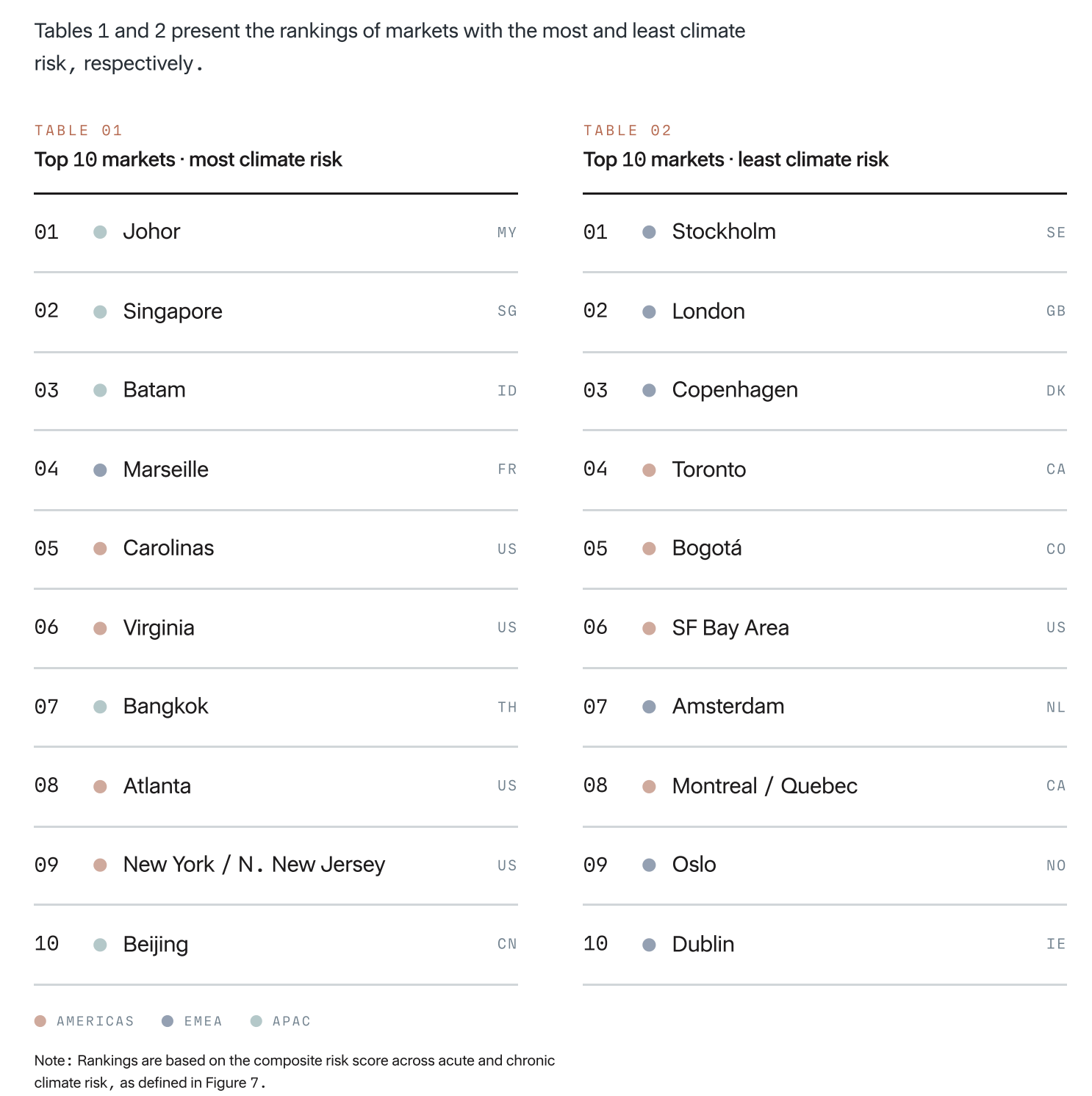
The assessment also maps out the geographical data center hubs that are more and less exposed to these risks. It says that:
“Industry is concentrating some of its largest and fastest-growing hubs in some of the riskiest locations…Scale is being built where operating conditions are hardest, not where they’re easiest.”
It seems clear that the way money is currently flowing into data centers is misaligned with risk-adjusted returns, as well as with what makes sense for the planet and its inhabitants. Unlike housing and transit infrastructure - for which we can safely say there will be a need in the future, even if the form adapts - the form of AI infrastructure that’s needed may well transform much more quickly (through efficiencies, through space-based capacity, through innovations we haven’t imagined yet but are just around the corner), leading to a new category of “stranded assets” spread across the landscape.
I’d like to think governments, whether democratic or non-democratic, see logic in creating the pathways and guardrails for AI infrastructure that take its planetary and human, and ultimately economic, implications into account, factoring a wider set of considerations than the narrow pursuit of mis-defined short-term returns.
*******
Other stories of note from recent weeks:
Autodesk’s AI Jobs Report 2026 has found that demand for work in physical design and building is increasing rather than decreasing with AI, while incorporating AI in how the design and building is done.
“The next generation still wants to build, and so do today’s professionals. Even as AI advances, 2 in 3 students (and 61% of professionals) say they want a career where they make things or work with their hands, up 6 percentage points from 2024.”Climate Cardinals released an excellent short white paper appealing for climate philanthropy to become less anglo-centric and take language justice into account. Currently 75% of climate philanthropy goes to organizations based in the US and Europe.
And the horrendous earthquakes in Venezuela have once again exposed how poor building practices, exacerbated by corruption, have a major human cost, dramatically increasing the loss of life when disasters occur.