


In “Tech and the city: Part 1” I unpacked ways in which technology is increasingly integrated into how people move through urban areas, the risks that arise for human rights and how “smart city” tech can be harnessed responsibly. Since then, UNDP Asia Pacific has published a toolkit on this, which I co-authored with others.
Now here’s part 2. As promised it takes a look at the physical rather than digital dimensions of tech. These dimensions are complex and significant, extending from mines to data centers to office buildings…
I’ve written previously on the growing demand for minerals like lithium, nickel, cobalt and copper (which some governments deem “critical minerals” - as in critical for their own tech, defense, energy and geopolitical interests). This demand is expanding extraction in often biodiversity-rich, indigenous and water-scarce regions.
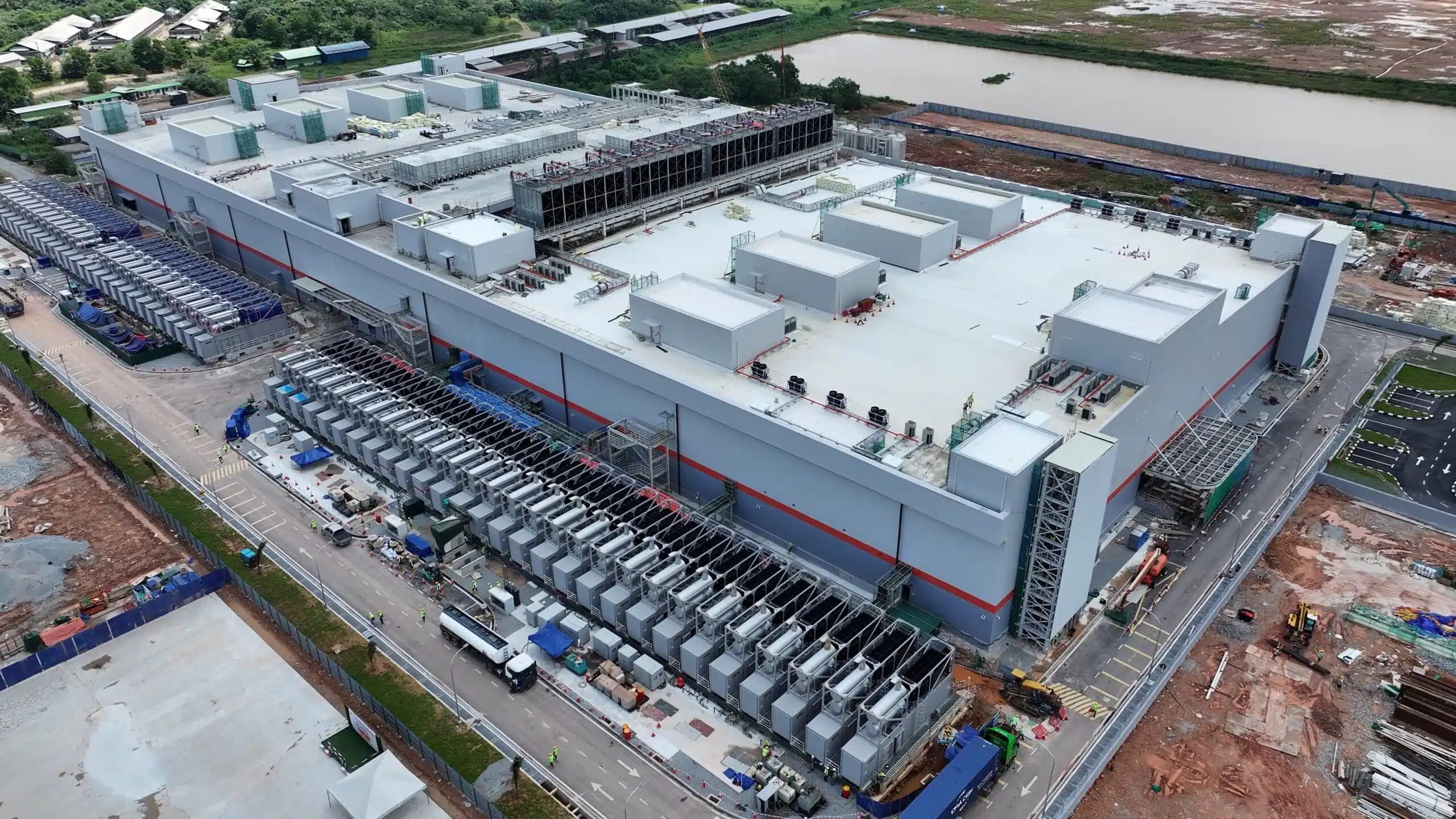
Meanwhile the growth of big data is fueling investments in new data centers - warehouse-like structures stacked with computers for storing, processing and managing data.
The US has been rolling out a strategy to dominate the “physical AI stack”. It’s in this context that OpenAI and others’ Stargate Project, for example, plans to invest $500 billion over the next four years building AI infrastructure in the United States. OpenAI CEO Sam Altman has said matter-of-factly, “I do guess that a lot of the world gets covered in data centers over time”. Before adding, “but I don’t know, because maybe we put them in space.”
In Southeast Asia, Malaysia is betting on becoming a regional data center hotspot, leading to concerns over pressure on energy and water supplies. There’s also growing push-back against data center expansion in Mexico, Chile and other parts of Latin America.
China is bringing its own approach to scale, building as well, while also leveraging its access to and control over vast amounts of data and making drives in efficiency. Interesting Engineering contrasts the Chinese and US strategies in this piece.
While data center infrastructure is often in rural areas, by smaller towns or on city outskirts, the major tech firms also have growing real estate footprints in urban centers as they expand their office presence. This trend slowed somewhat in the pandemic but is now on the rise again.
The Economist recently set out a scenario for artificial general intelligence titled “Eureka all day long” (alongside a more dystopian one, in which robots take over).
In the so-called “eureka” scenario, AI developments lead to unprecedented economic growth. “If the evangelists of Silicon Valley are to be believed,” The Economist writes, “this bang is about to get bigger. They maintain that artificial general intelligence (AGI), capable of outperforming most people at most desk jobs, will soon lift annual GDP growth to 20-30 a year, or more.”
Assessments like these seem willfully removed from the planetary implications of growth. The 1972 warning in the Club of Rome’s “Limits to Growth”, anyone? They are also removed from the growing physical risks to infrastructure itself, from the impacts of rising sea levels and extreme weather.
A blind race to expand is being fueled by competition between companies and competition between nations. We also seem to be heading along a trajectory in which land, resources, data, and also creativity are consolidated into smaller and smaller groups of mega-owners.
In this somewhat daunting context my appeal is two-fold.
One is simply that we pay attention to the physical/spatial implications of big tech as well as its digital/virtual implications. The two dimensions are deeply connected and both are hugely consequential for humanity’s future.
The second is that we unleash knowledge, imagination, creativity to make space for other scenarios. Scenarios in which, for example:
Local and national governments take a longer-term and less piecemeal perspective on how land is used, what is prioritized and how conflicting demands are balanced
There’s symbiosis between rural and urban areas - growing urban areas take on more of the burden of their own resource and energy generation in micro or even macro ways, while the vital roles of rural ecosystems and communities are recognized and respected
Major breakthroughs in efficiency and circularity mean that the amount of resources and energy needed in the first place is reduced
Finance flows get smarter and factor the feedback-loops to the economy of environmental and social “externalities”, rather than adopting what often seems like a herd mentality behind the latest shiny thing regardless the consequences
And ownership patterns are transformed, with expanded access to the benefits of resources and data itself.
Look hard - or maybe not so hard - and we’ll find that movements in these directions are underway in multiple geographies and contexts. It’s a question of making linkages between them, and bringing wind behind their sails.