


So another year rolls around, and here in NYC it kicked off with a hopeful mayoral inauguration on a cold but bright January day, followed quickly by the arrival and perp-walk of dictatorial Venezuelan President Nicolás Maduro into a Brooklyn detention center after the US transactionalist-in-chief harnessed the might of the military to whisk him and his wife out of the country, which would lead to understandable relief for many Venezuelans were the action not throwing into doubt any recognition of territorial sovereignty and self-determination and not followed right away by a ramping up of repression by the remaining regime.
Meanwhile, resistance and protests over the growing costs of living are on the rise, including in Iran and Saudi Arabia, with governments responding by cracking down.
So, with that cheery opening…here’s what to expect from It’s Material this year.
You’ll receive a weekly song lyric reflecting buildings and infrastructure in some form.
As most readers know, I am passionate about the way in which what gets built (and maintained), where, how, for and by whom, has always shaped human existence - and will continue to shape our future. Yet working for change in infrastructure and construction can quickly lead into professional silos, or wonky language that obscures the deep human relevance. Through song lyrics I aim to create a kind of “acupuncture of meaning”, unlocking sparks of recognition and action relating to buildings, and building.
You’ll also receive “Short Takes” (I may as well use my straightforward surname for something!), which will unpack a trend or emerging angle I’m seeing, a strategy I’d like to highlight or a dose of inspiration I’d like to lift up.
Enjoy!
And here’s the first of each.
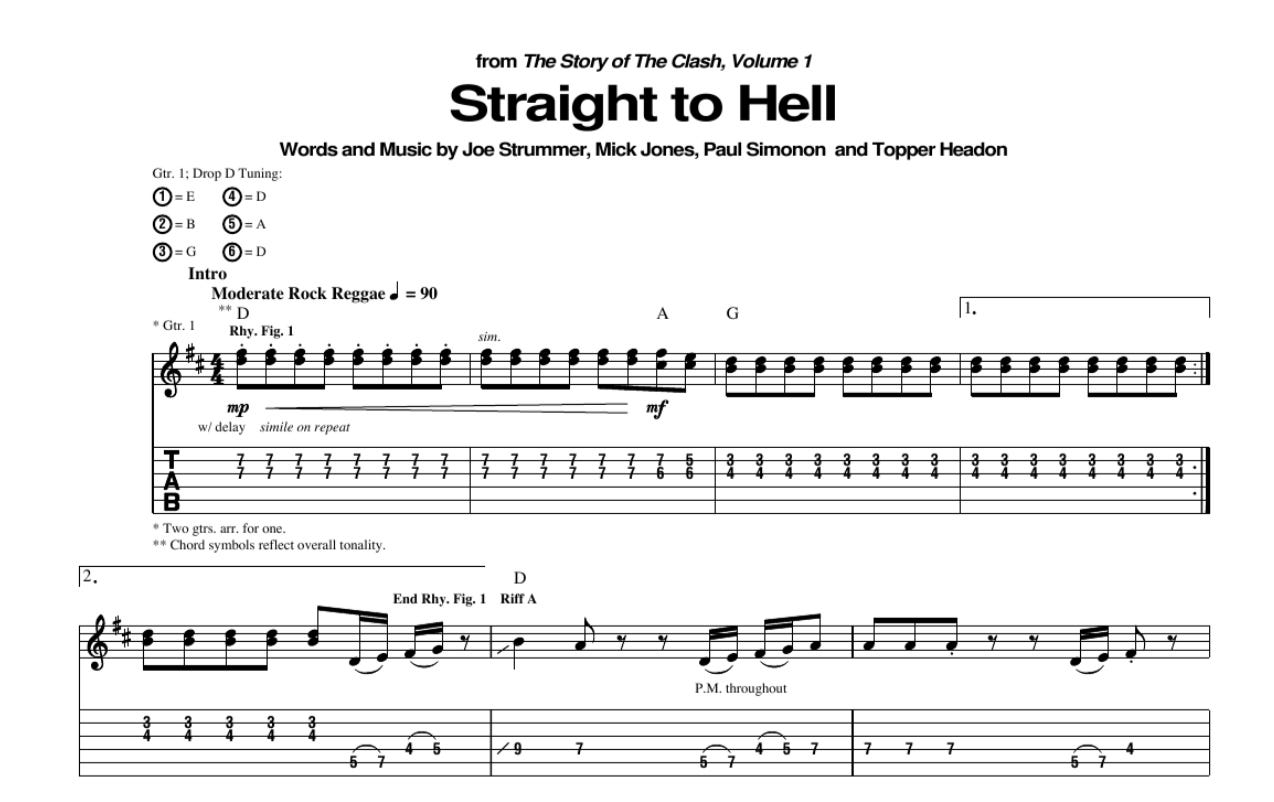
Building(s) in lyrics: Straight to Hell
The Clash song “Straight to Hell” includes these lines:
“Speaking King’s English in quotation
As railhead towns feel the steel mills rust”
The song brilliantly captures the “f*ck you” way in which economic or political power is experienced by those at its hard edges, starting with rusting steel mills in Northern England - its not the “towns” feeling the steel mills rust of course but their residents and workers, experiences that are echoed in so many places around the world as industries decline and investors move on.
The lyrics then switch to the perspective of a child fathered by an American soldier in Vietnam - “Wanna join in a chorus / Of the Amerasian blues?…” - then broaden to the experiences of immigrants “anywhere, most likely could be any frontier…any hemisphere.”
There are the places within songs, and also the places where they come to life. Joe Strummer apparently wrote the Straight to Hell lyrics in December 1981 in New York City.
“I’d written the lyric staying up all night at the Iroqouis Hotel. I went down to Electric Lady and I just put the vocal down on tape, we finished about twenty to midnight. We took the E train from the Village up to Times Square. I’ll never forget coming out of the subway exit, just before midnight, into a hundred billion people, and I knew we had just done something really great.”
Do let me know of lyrics referring to buildings or infrastructure. (Any language is fine). Share it in the comments or message me!
Short Take: “World Inequality Report 2026”
The “World Inequality Report 2026” came out late last year, and I meant to share it at the time. Its chapter on climate and inequality makes an important addition to how accountability for carbon emissions is calculated: factoring not only emissions from consumption of goods and services, but also ownership of capital, particularly ownership of shares in companies.
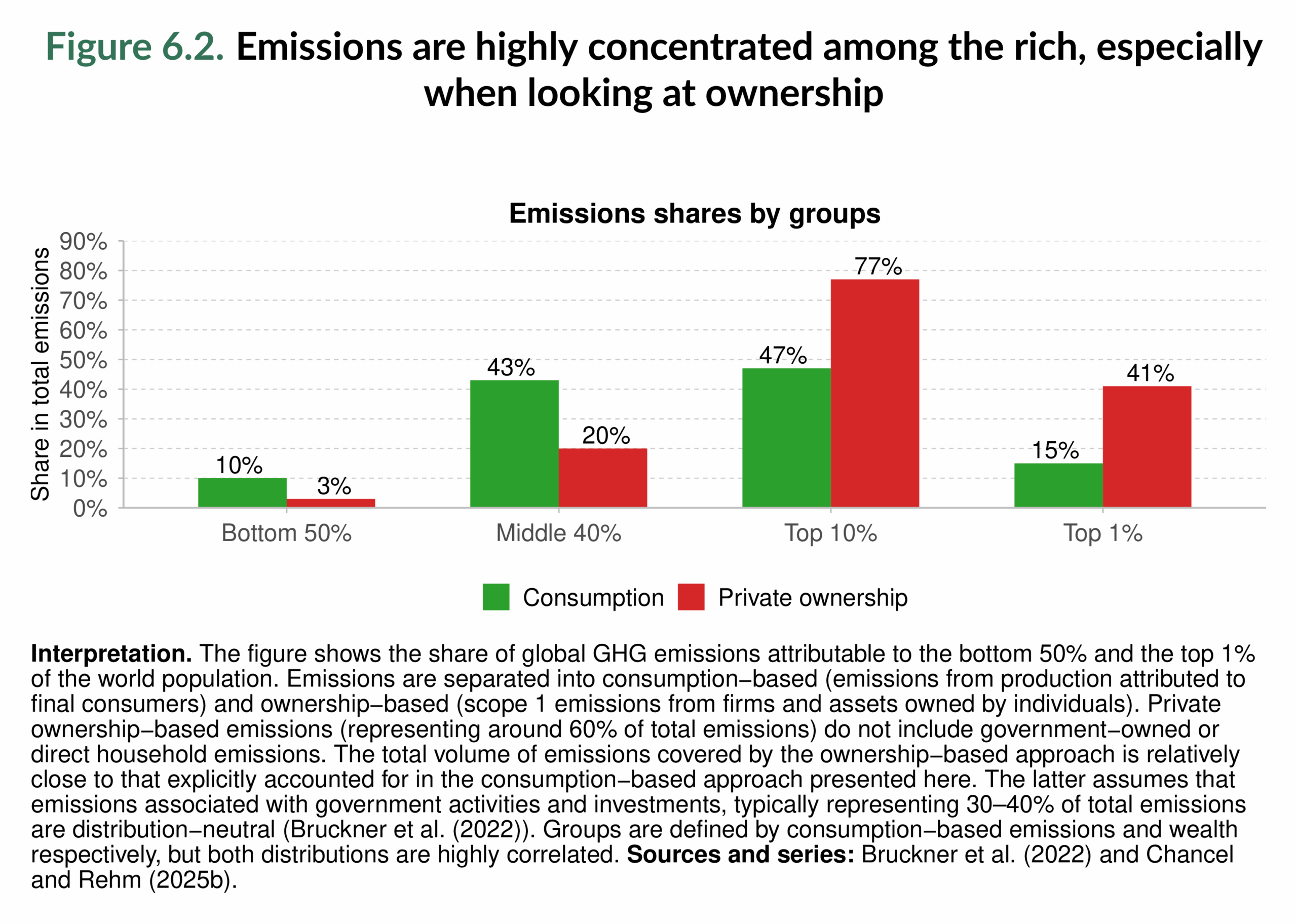
The report finds that:
“The global wealthiest 10% of individuals account for 77% of global emissions associated with private capital ownership, underscoring how the climate crisis is inseparable from the concentration of wealth. Addressing it requires a targeted realignment of the financial and investment structures that fuel both emissions and inequality”.
And, echoing the rusting steel mills of The Clash song, it adds:
“Policies designed to mitigate [climate change] are transforming how wealth is created, distributed, and preserved. The intensification of physical climate risks, the repricing of assets, and the reallocation of investments toward green sectors will have far-reaching implications for the global distribution of private and public wealth”.
Climate strategies, and human rights strategies, so often overlook the ownership patterns that underpin the economy. In doing so they miss out on opportunities for more meaningful and systemic change.