


While news of NYC mayor-elect Mamdani’s win echoes around the world, here in his home borough of Queens it has a particular resonance. For those who voted for him and those who didn’t, Queens distills so much about what this moment means.
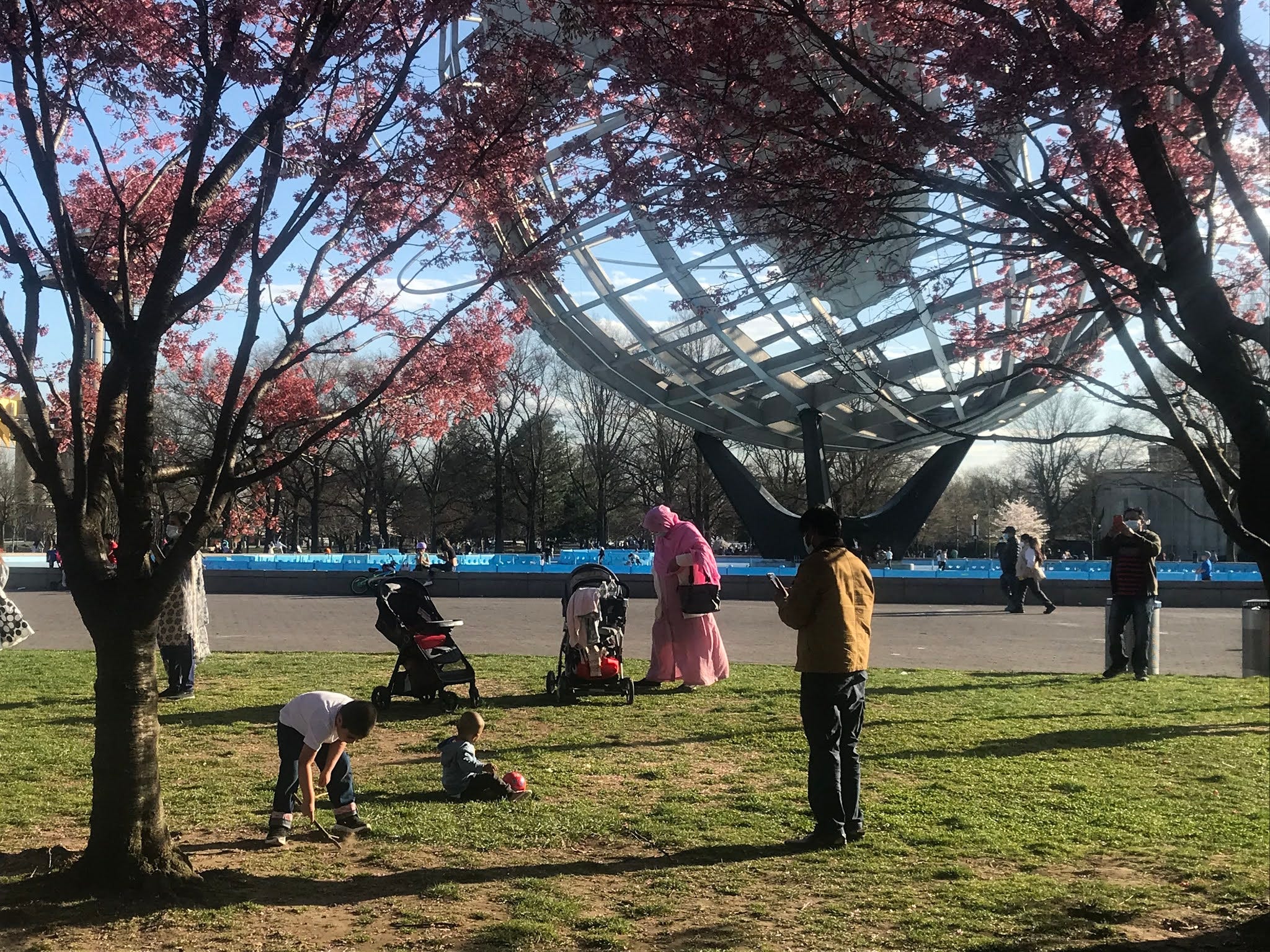
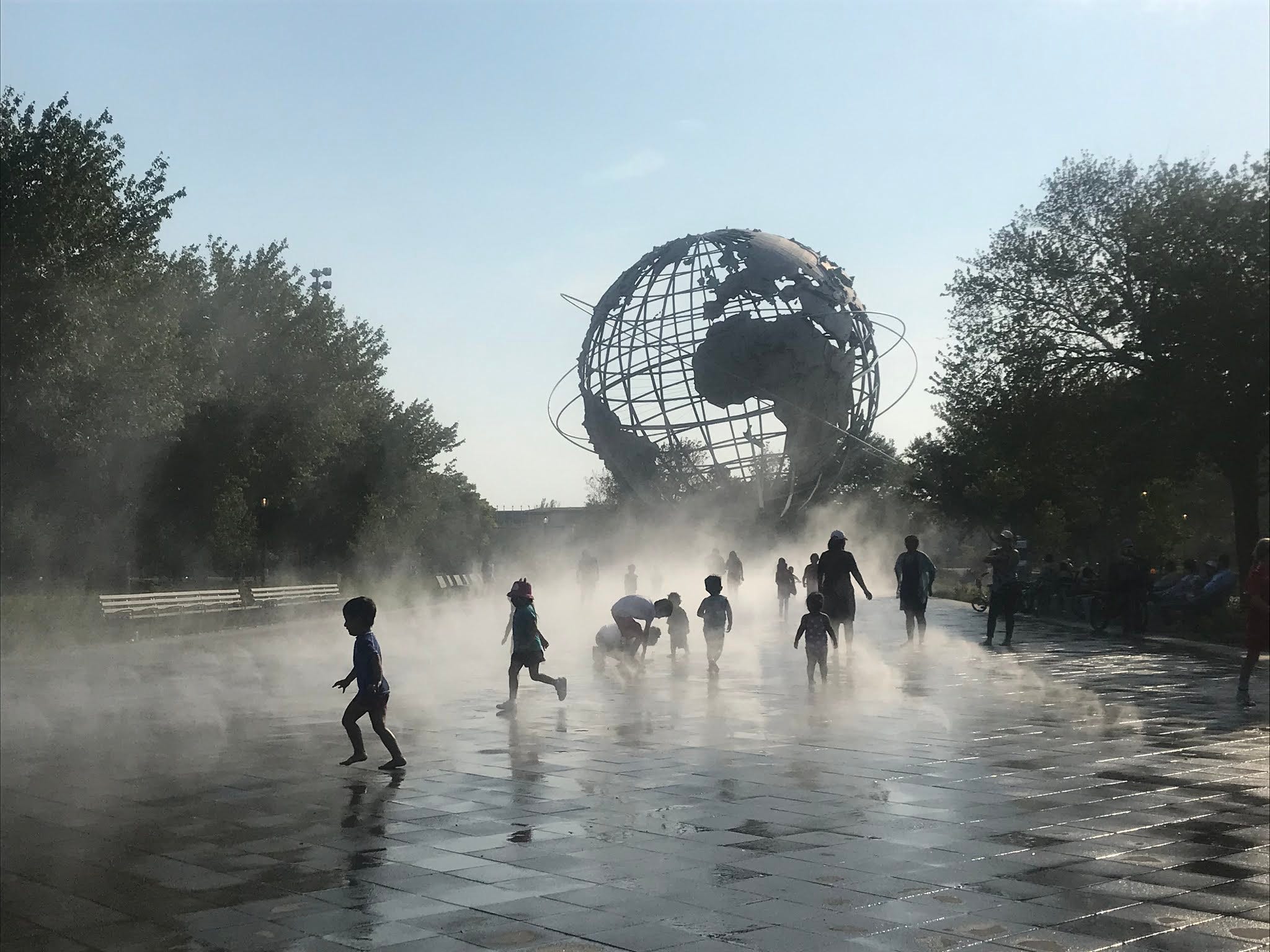
The day after the election Mamdani introduced his transition team standing at the bottom of the Unisphere in Flushing Meadows Corona Park - a huge steel globe that was erected for the World’s fair in 1964. It’s where my son and his friends posed for photos after their middle school graduation. It’s where we’ve strolled countless times after football matches on the park’s many pitches. It’s where, as COVID restrictions began to lift, families gathered under cherry blossoms and the simple fact of human connection was astonishing and heartbreaking at the same time, for its fragility.
There’s so much inspiration to take from the campaign.
The prioritization of listening to what matters to people (how very novel). The recognition that even during hard times messages of hope can inspire people to imagine alternatives and take action towards them. The much-needed expansion of politics, galvanizing people to vote who were otherwise disillusioned by the process. And the way that it tapped into the specificity of what people love about the places they live, despite day-to-day struggles: the food joints, the hustle, the places of worship, the laughter, the banter in many languages.
The campaign also centered the dignity of the work that makes the city run - reflected in a visit on the last night to LaGuardia Airport (which, like the city’s biggest airport JFK, is in Queens) to speak with night shift workers.
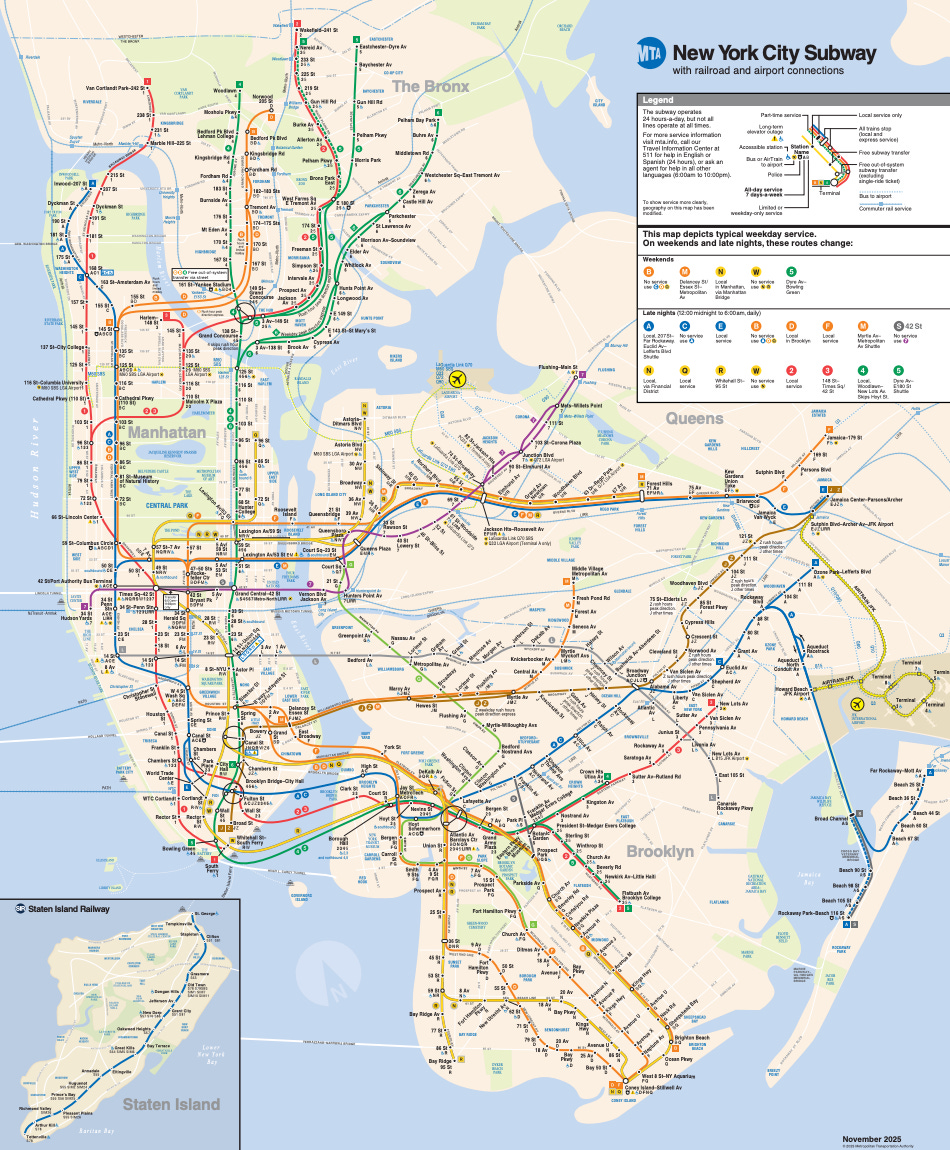
It has often struck me that the subway map of NYC shows how the financial centre of Manhattan is dependent on workers from the outer boroughs, attached to them by umbilical cords of transit lines. The campaign has revitalized a form of politics that recognizes workers not only in terms of collective power but also connects with the multi-faceted dimensions of their daily lives: grounded physically in place as well as in online spaces.
I asked the driver of a yellow taxi cab last week what he thought of Mamdani’s win. “All politicians are the same,” he said. “Biden, Trump…nothing changes for us.” My son - the one whose graduation was by the Unisphere - also has a (healthy yet overstated) cynicism, having been dramatically disillusioned by the character of Mayor Carcetti in the Baltimore-based show The Wire. (Anyone who’s seen it will know what I mean).
Making the lives of New Yorkers better and more affordable won’t be easy, with headwinds from local and federal obstacles and a firehose of disinformation. But not to try would be a pretty depressing resignation to the status quo. Succeeding will involve creativity, and grit, and continuing to tap into the simple yet too-often-buried bonds of our shared humanity.
****************
Through the “I live here - Queens” project Queens residents share the words for “I live here” in the multiple languages spoken in the borough, in writing and video
“The Mamdani coalition” podcast from WNYC analyzes how the city’s neighborhoods voted and what that says about wider political shifts
Great point about the NYC subway map! Live in NYC all my life and never noticed that how the design of the map highlights the dependence of the wealthy center on the less affluent, more working-class periphery.