



Below are two applications of the word “material” for this week, as I missed last week.
First up though, in the intro to this newsletter I say that the content is “global but US-skewed given that’s where I live.” So a few quick takeaways on last week’s election outcome.
One is that “ways of doing” politics have fundamentally shifted - the old ways need to evolve, people have felt alienated from institutions, patronized, and without the space to share what they themselves think and need, a dynamic that tech platforms amplifying grievances can easily exploit.
A second is the way in which this election has laid bare on so many fronts the outsized influence of large corporations and financial interests, across the political spectrum.
A third is that given similar shifts and trajectories are underway globally - there is so much to learn from other contexts, from drawing on the past, and from building new forms of connection, creativity and communication to shape the future.
*********************
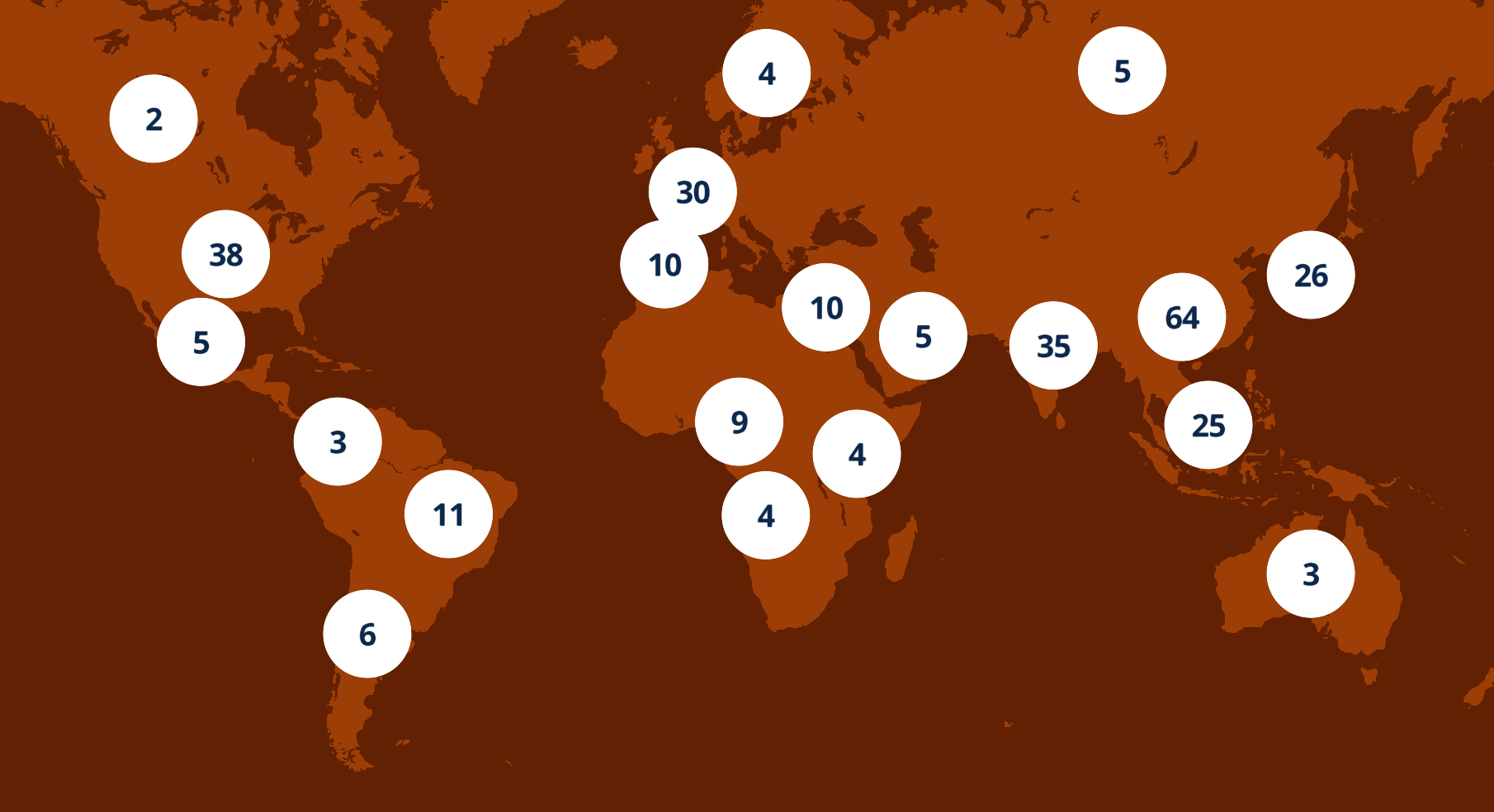
The World Benchmarking Alliance has reviewed the policies and practices of 300 companies that are involved in shaping built environments, across sectors like construction, energy, real estate, transport, waste, and water management. A figure that jumped out at me is that only 5 percent of them “recognize residents or tenants as key stakeholders”.
While not surprising, it is indicative of the disconnect that often exists between those who finance and design buildings and infrastructure, and the people who live in and use them. This central disconnect reflects others. A disconnect in incentives - between narrowly-defined financial materiality, and what’s material in the lives of people locally and through supply chains. And a disconnect in time-frames: buildings and infrastructure projects can be operational for decades, if not centuries, but decision-making is often shaped by the need for short-term returns. There is much work to be done re-calibrating the economics of the built environment in ways that expand value and time-frames.
I would like to have seen companies’ approach to the role and rights of construction workers - on sites and through supply chains - included more specifically in the benchmark, beyond the approach of applying WBA’s “core social indicators” that are used for its benchmarks of all sectors.
*********************
For a session I’m running with young people on the impacts of sports in their neighborhoods and surroundings, I came across the concept of “sites of memory”, or “lieux de mémoire”. It was referred to in a recent conference in Brazil on “Stadia, Memories, and the Right to the City” which explored the ways that sports stadia amplify connection and divisions, identities, and group narratives. The French historian Pierre Nora defined a “lieu de mémoire” as:
“Any significant entity, whether material or non-material in nature, which by dint of human will or the work of time has become a symbolic element of the memorial heritage of any community."
There are iconic, collective lieux de mémoire, but as I’ve explored through projects in NYC and beyond, there are also less high profile, individual lieux de mémoire. Like a grandfather’s iron shop, or a local library. Taking places that are meaningful to people as a starting point can unlock deeper perspectives and surprising points of connection.
*******************************
Through 2024, It’s Material is sharing one use of the word “material” each week, on Tuesdays (sometimes Wednesdays!)