


The mainstream model of planning and construction is broken, and it’s overdue for a refresh. This was the main message of a paper I co-authored with Ying-Chih Deng of ICLEI, Andreia Fidalgo of IHRB and Dr. Natalie Galea of University of Melbourne, for a recent World Human Rights Cities Forum. We write:
“The predominant ‘take, make and waste’ economic model in the built environment poses interconnected climate change and human rights risks throughout the building lifecycle: from the extraction of materials to land-use planning and siting decisions, to building practices themselves, and to a current emphasis on demolition and rebuild over the reuse and adaptation of existing buildings.”
We also highlight ways that local and national governments can harness policy and regulation, planning and visioning, and public procurement to shift construction in a more sustainable direction.
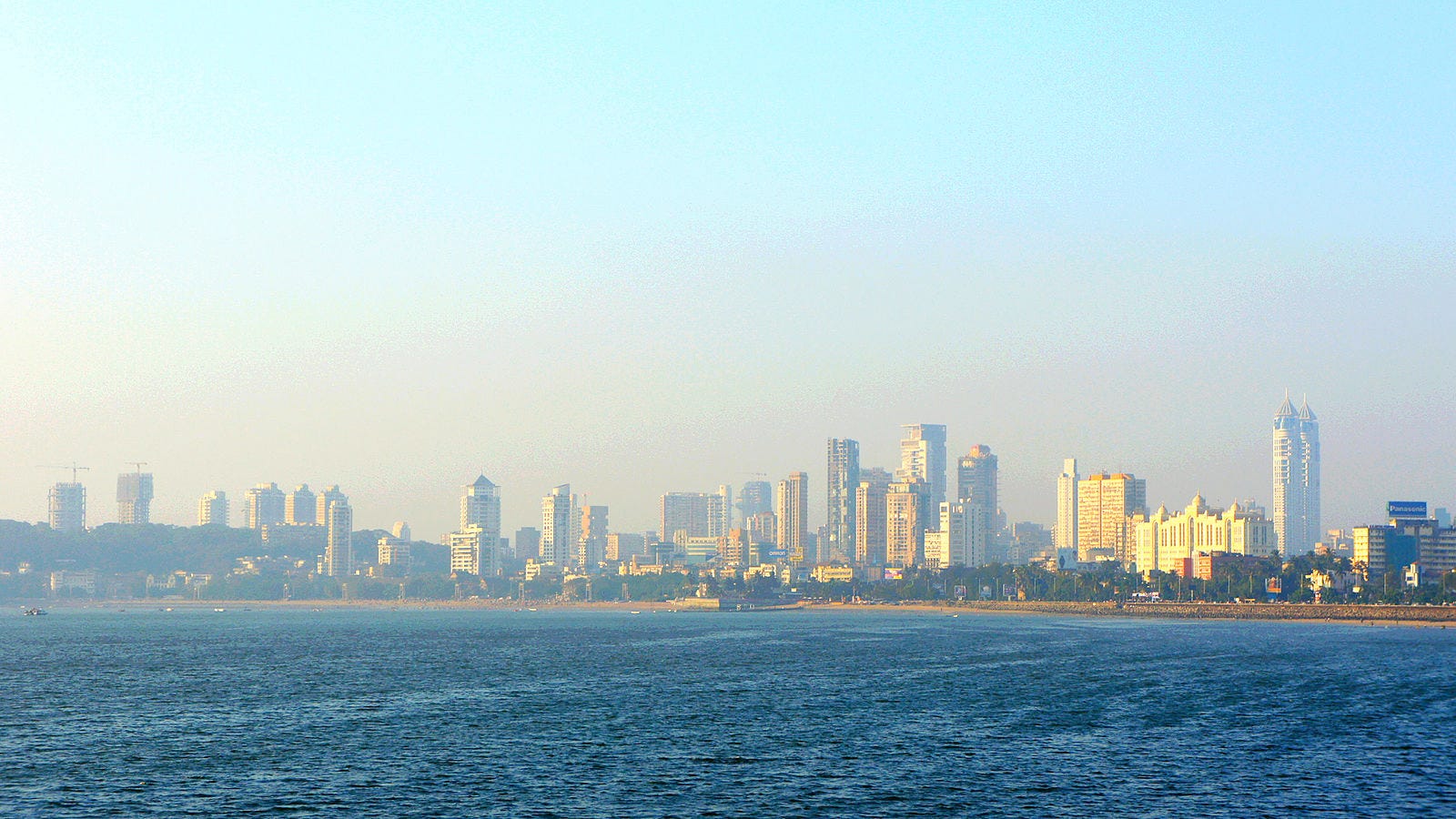
The Economist correspondent Leo Mirani explores these issues and the kind of future that is being built - literally - in a podcast on his home city of Bombay. Together with New York and Istanbul, Bombay happens to be one of my favorite cities - metropolises that are open to the ocean and the World beyond. Mirani sticks to the name Bombay, which in his view is more representative of the city’s character than its current official name Mumbai.
“It was built, admittedly, by the colonial Portuguese and the British. But also, and much more importantly, by immigrants. By Jews, Armenians, Gujaratis, Parsis, and Muslims… and over the centuries people from all over India, all over the world even. Like any sea-facing port city, it is an inherently open one. I mean you have to be, if your main interest is trade…
When it was renamed [Mumbai] in 1995 by the local nativist party, that was an assertion of the city’s Maharashtran character, above all others. Many, including me, disagree with that position. We think the city belongs to anyone who wants to call it home, whatever language they speak.”
Bombay - like so many cities - is undergoing a construction boom. Building and infrastructure projects are in full swing everywhere. Mirani tries to be optimistic about the city’s future. But he is concerned that the Bombay that is emerging is a more segregated one.
The city is becoming “higher and posher”, as “buildings that are relatively new are being torn down for what they are calling redevelopment”. He speaks with Naresh Fernandes, Editor and Chief of Scroll, who says:
“We have that very strange phenomenon [appearing], for [a city like] Bombay. The gated community. They have walled away playgrounds and facilities that should by right be enjoyed by everybody in the city. They have privatized what should be public amenities. You can’t make common cause unless you have common ground. Literally. And so one of the reasons that Bombay doesn’t have the civic actions that it used to is that Bombay’s middle classes and affluent classes have just seceded.”
Mirani realizes that this is what has most been worrying him about the kind of building underway in the city. A sense that “we are no longer all in this together.”
***************************
Through 2024, It’s Material is sharing one use of the word “material” each week, on Tuesdays.